Description: Salmonids, including Pacific salmon and trout, are an important component of ecologic and economic health in western North America. Salmon and trout of the Pacific Coast have continued to evolve in the face of natural disturbances such as floods, fires, volcanoes, wind-throw and disease. In fact, these influences have helped these species maintain their resiliency. Even when natural disturbances have been severe their effects have remained localized, thereby allowing ecosystems to more easily recover. However, the magnitude of human-caused disturbances may be so great that irreversible changes will occur by increasing the impact that natural disturbances have on aquatic communities, resulting in both acute and chronic consequences for salmonids. Moreover, the changes that human activities create may be so widespread that the recovery of individual ecosystems and their components, including salmonid stocks, could be drastically altered.
While each salmonid is unique, the genetic diversity within species across drainages may be as significant as those found across different species. Despite this variety, salmonid stream management, recovery and protection initiatives rely on certain fundamental biological requirements.
This course will provide general information regarding: - Origins and evolution of Pacific North American Salmon;
- Life stages of salmon and trout in both coastal and inland streams;
- The habitat requirements applicable to each life stage;
- Substrate quality and hydraulic flow affecting spawning behavior and redd success;
- How habitat features, in-stream complexity, bank structure and large woody debris influence success of salmonids at different life-stages;
- How water chemistry, water temperature and food availability affect trout and salmon behavior; and
- How migration patterns can be impeded or enhanced by changes in flow, water quality, barriers or obstacles
*Reduced tuition is available for Native American tribes, government employees, nonprofits, students and NAEP, NEBC, NWAEP members. You may register online or by calling the Northwest Environmental Training Center at (425) 270-3274.
Please wait to receive a course confirmation email, roughly one month prior to the class, before making any travel arrangements.
Intended Audience: This course is specifically designed for practitioners and agency personnel, including biologists, ecologists, hydrologists, planners and regulators involved in stream issues addressing salmonids, water supply and quality issues.
Continuing Education Units: 1.30 CEUs
Course Topics
This course will provide general information regarding: - Origins and evolution of Pacific North American Salmon;
- Life stages of salmon and trout in both coastal and inland streams;
- The habitat requirements applicable to each life stage;
- Substrate quality and hydraulic flow affecting spawning behavior and redd success;
- How habitat features, in-stream complexity, bank structure and large woody debris influence success of salmonids at different life-stages;
- How water chemistry, water temperature and food availability affect trout and salmon behavior; and
- How migration patterns can be impeded or enhanced by changes in flow, water quality, barriers or obstacles
About the Instructor
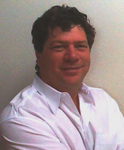 Dr. Merz is a registered scientist with the American Fisheries Society. He has over 20 years of experience working with aquatic resources and has been the principal scientist on several salmonid habitat restoration programs in the California Central Valley. He has taught environmental science, salmon biology and restoration courses for the past fourteen years. Joe is known for his work with human and fisheries habitat interactions, and for his ability to communicate with scientific and stakeholder audiences alike. He has earned degrees in Environmental and Systematic Biology (Bachelors), Cal Poly at San Luis Obispo (1991); Biological Conservation (Masters), California State University, Sacramento (1994); and Conservation Ecology (Ph.D.), University of California, Davis (2004). Dr. Merz has worked for California public, provide and non-profit entities on resource monitoring and fisheries habitat enhancement. He is noted as an environmental studies and natural resources lecturer, and for his successes working with stakeholders. He has coauthored a variety of peer-reviewed publications*, focusing on river rehabilitation, fish movement, invasive species, woody debris/redd associations, and evaluation of spawning habitat enhancement, among others. In line with his professional interests, he is a member of the Ecological Society of America, the American Fisheries Society and the Southwestern Association of Naturalists. Dr. Merz has been honored with a variety of awards and has received research and restoration grants from multiple stakeholders for restoration related projects in California, Oregon and Washington for salmonid habitat restoration; salmonid management and reintroduction; monitoring of fish migration and movement; fish passage improvement; and assessment of invasive species interactions with native salmonid populations.
What to Bring
Please bring a pen or pencil, and notepad if you would like to take notes (you may also choose to take notes in your book). Lunch will be on your own, but drinks and snacks will be provided throughout the day.
Billing Information
In order to guarantee a space in a course, the tuition must be paid in full TWO WEEKS before the first day of the course by either check or credit card. State and government agencies paying with a purchase order are allowed payment under the two-week time frame if a copy of the purchase order is received by NWETC.
If You Need to Cancel
Cancellations*-
With 31 or more days notice, we will offer a 100% refund or credit towards a future course. The credit is good for one year and may be applied to any course.
- With 30-8 days notice, we will offer a course credit towards a future course. The credit is good for one year and may be applied to any course.
- With fewer than 8 days notice, there is no course credit available
*Please note that attendee replacement is welcome at any time
Disability Accommodations
Disability Accommodations:To request disability accommodations, please contact us at info@nwetc.org or 425-270-3274 at least 30 days prior to the event.
|